
Rhino & Elephant Conservation: How Wildlife Vets and Technology Are Protecting Africa’s Wildlife
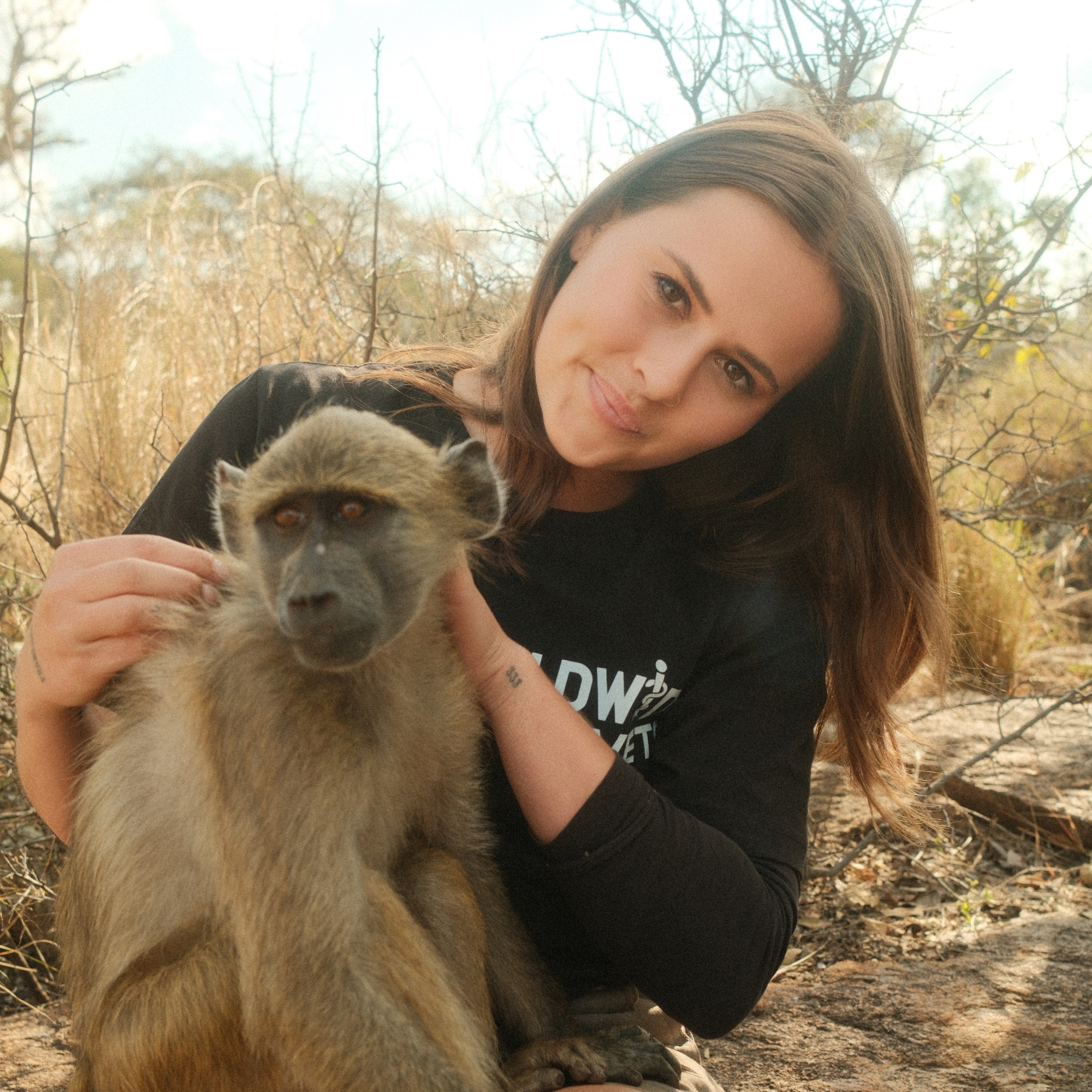
Wildlife conservation is changing. From hands on veterinary medicine in the field to AI-powered monitoring technology, these new approaches are helping conservation teams to better understand, monitor and protect Africa’s most iconic species.

During our recent Rhino & Elephant Medicine Course, our delegates had the opportunity to experience wildlife veterinary medicine first hand, They were working alongside experienced veterinary professionals while learning about the health, management and conservation of rhinos and elephants.
But the course was about more than veterinary medicine. Delegates also had the opportunity to see how innovative technology is being used to support rhino conservation and anti-poaching efforts, including Rouxcel’s RhinoWatch, an AI-enabled foot collar designed to identify abnormal behaviour in real time. And thanks to the generosity of our donors and partners, two aspiring African veterinary students were able to join us through our 2026 Worldwide Vets African Scholarship.
Rhino Conservation Meets Cutting Edge Technology

One of the highlights of the course was the collaring of rhinos and elephants. Collaring wildlife provides valuable information about individual animals, their movements and their behaviour. It can also play an important role in monitoring animals and responding to potential threats.
For the rhinos, we used Rouxcel’s RhinoWatch, an innovative, AI-enabled foot collar. RhinoWatch continuously analyses behavioural patterns and uses artificial intelligence to identify activity that may indicate something unusual. When the system detects a potential abnormality, it generates an amber alert based on the probability of the severity and transmits that alert to a control room.

Crucially, the alert is accompanied by a pinpointed GPS location, allowing anti-poaching teams to quickly identify where the potential incident is taking place and determine whether a response is required. This creates an additional layer of intelligence for teams working to protect vulnerable wildlife.
The device is solar aided, helping to extend its operational lifetime and is robust enough to withstand the physical demands of rhinos and the environments they inhabit. For us, seeing this technology in action was a powerful reminder of how rapidly wildlife conservation is evolving. The future of protecting endangered species will depend on bringing together many different tools, from skilled wildlife vets and rangers on the ground to data, artificial intelligence and real-time monitoring.
Investing in Africa’s Future Wildlife Vets
While protecting wildlife is essential, investing in the people who will protect wildlife tomorrow is just as important. This year, we were proud to welcome Liyabona Maganga and Sthelile “Thelo” Ndimande, two veterinary students from the University of Pretoria's Onderstepoort campus, as recipients of our 2026 Worldwide Vets African Scholarship.

Both Liyabona and Thelo are passionate about wildlife and hope to pursue careers in wildlife veterinary medicine and conservation. For these students, the course represented an opportunity to step outside the classroom and experience wildlife veterinary work first hand.
Liyabona is currently in her third year of veterinary studies and has wanted to become a vet from a young age. Growing up in the Eastern Cape, she saw animals suffer without access to veterinary care. The feeling of being unable to help stayed with her and helped shape her determination to pursue veterinary medicine. Today, Liyabona has her sights firmly set on a career in wildlife veterinary medicine, with the ambition of specialising in the conservation of endangered species. The opportunity to take part in the Rhino & Elephant Medicine Course allowed her to gain practical experience, learn from experienced wildlife professionals and see what a future career in wildlife conservation could look like.

Thelo is a fourth year vet student with a strong passion for wildlife health and conservation. The course provided her the opportunity to get hands on experience in wildlife veterinary medicine. Working alongside experienced professionals allowed her to gain a better understanding of the challenges and opportunities within the field while putting her veterinary knowledge into a real world conservation setting. For an aspiring wildlife veterinarian, experiences like these are invaluable.
Why African Veterinary Scholarships Matter

The Worldwide Vets African Scholarship was created to help African Students who are passionate about conservation access opportunities that might otherwise be out of reach. There is incredible potential within Africa's veterinary community, including students who are passionate about protecting the continent's wildlife.
However, access to specialist training, practical experience and opportunities to learn alongside experienced professionals can make a significant difference to a students development. Our scholarship program aims to help bridge that gap. By providing African vet students with opportunities to participate in specialist courses and gain practical wildlife experience, we can help create a pathway towards future careers in wildlife veterinary medicine, conservation and endangered species protection.
Liyabona and Thelo are at the beginning of their journeys. But the experience they gained during our course could become one of the many building blocks that shape their future careers.
From Vet Students to Future Wildlife Vets

The future of African wildlife conservation depends on many different people. We rely on conservationists working in the field, veterinary professionals caring for wildlife, rangers from protecting animals from poaching and last but not leased researchers developing new knowledge.
And increasingly, it depends on technology that can help these teams monitor and respond to threats. Most importantly, it depends on the next generation. By giving African vet students opportunities to gain practical experience, we are helping them develop the knowledge, confidence and connections they need to pursue careers protecting wildlife in their own countries and across the continent.
Your Support Makes This Possible
Every contribution to the Worldwide Vets African Scholarship program helps create opportunities for aspiring African veterinarians to learn from experienced professionals, gain practical experience and explore a future in wildlife veterinary medicine and conservation.

To everyone who has donated, thank you from the bottom of our hearts. This course was made possible because people believed in the importance of investing not only in wildlife, but in the people who will protect it. The rhino collaring, the elephant work, the veterinary training and the introduction to innovative conservation technology were all part of one much bigger goal. A goal about protecting wildlife today and investing in the people who will protect it tomorrow.
Ready to take your next step?
Explore our volunteer opportunities at Worldwide Vets and gain the global veterinary experience that will shape your vet career growth. Challenge yourself, make an impact, and discover how working in developing countries can make you the vet you aspire to be.


Comments