
How Worldwide Vets Began: A Journey of Compassion and Action

It all started with a dog.

In 2010, I was a second-year veterinary student at the University of Nottingham, travelling through India during my university holidays. I had always been drawn to working with animals in places where veterinary care was limited, and my travels had opened my eyes to the huge difference that veterinary skills could make in communities around the world.
During one trip through the Himalayas, I came across a small black dog who was badly injured. He had a severe leg injury, likely from a road traffic accident, and was clearly suffering. My instinct was immediate. I wanted to help. I was training to become a vet. I had the knowledge and the passion, but I quickly realised that having the desire to help was not enough. There was nowhere to take him. No nearby clinic, no free help, no transportation. Despite trying to find a solution, I eventually had to leave, and walk away from him, never knowing what happened. That has haunted me until now.

It was in that moment I saw the huge need for better charitable care in developing countries, and that with some hard work, I could be the one to make this possible. It made me realise that veterinary medicine is not just about the animals we can reach in our own clinics. There are millions of animals around the world who need care, but simply do not have access to it. I started thinking about how veterinary students and professionals could use their skills to help in these situations, and that idea became the beginning of Worldwide Vets.
I founded Worldwide Vets in 2010 while I was still a second-year veterinary student. In the beginning, it was very simple. I started by connecting colleagues and fellow students with veterinary projects I had visited during my own travels. I wanted to create opportunities for others to experience international veterinary medicine, contribute to meaningful projects, and understand the incredible impact they could have when they shared their skills. Over the years, that small idea grew into something much bigger.
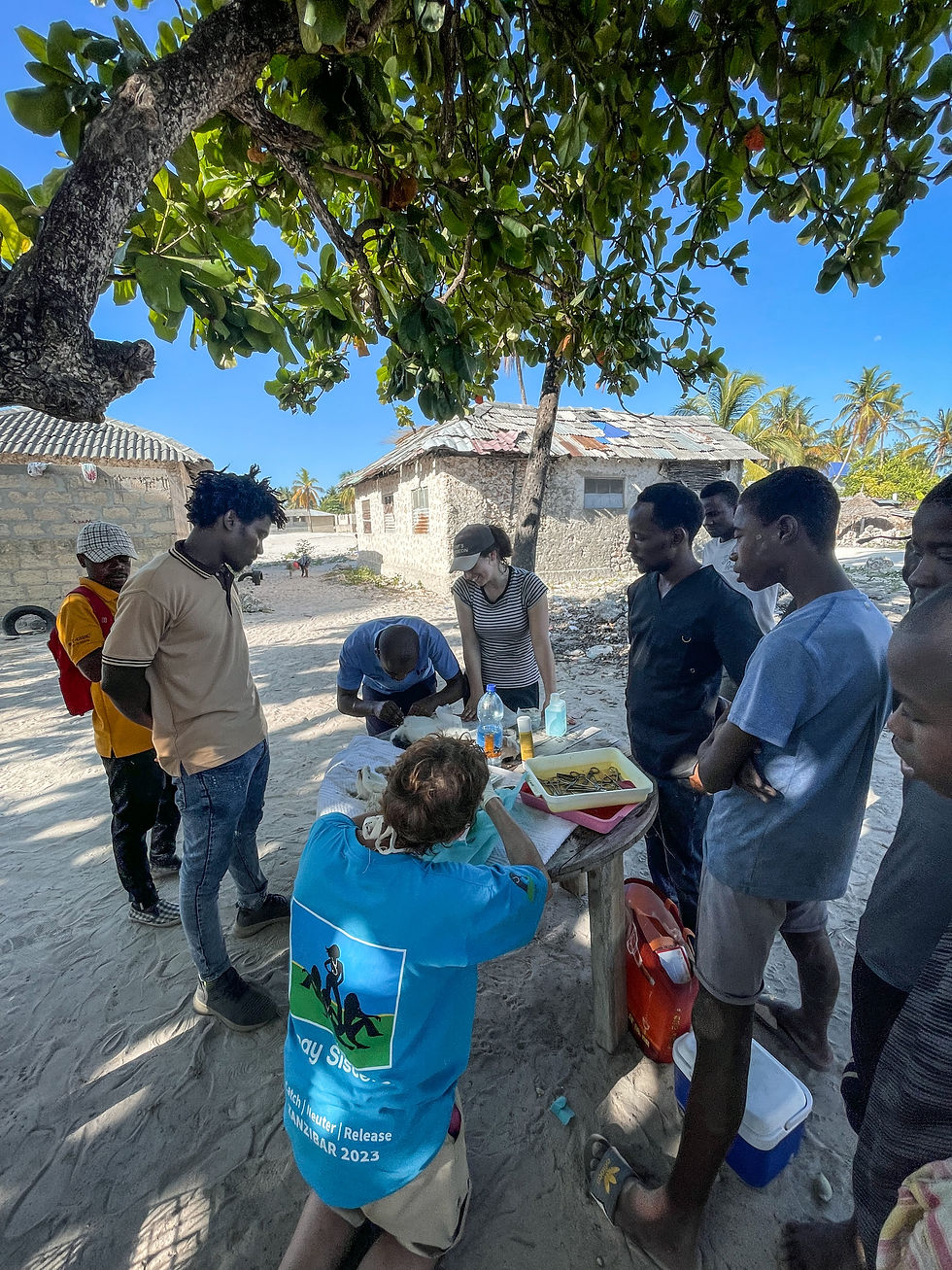
What started as a network connecting students with projects developed into an international volunteer programme, now sending around 700 volunteers each. Volunteers support our veterinary clinics, wildlife projects, conservation programmes, and animal welfare initiatives while gaining valuable hands-on experience in areas such as surgery, tropical medicine, wildlife medicine, and emergency response.

One of my favourite parts of growing Worldwide Vets was visiting veterinary schools across the UK and speaking to students about the opportunities available. Seeing students who had never imagined themselves travelling overseas suddenly discover a passion for international veterinary work was incredibly rewarding.
I loved watching people step outside their comfort zones, experience different cultures, give back to communities, and return home with a completely new perspective on what their veterinary careers could look like. For many, these experiences became the moments that shaped their future paths in veterinary medicine.

After graduating as a veterinarian, I knew I wanted to continue following that same path. I moved straight to Zimbabwe, a country that had already become a huge part of my life after spending my two-year gap year and university holidays travelling there. Zimbabwe felt like home. I loved the wilderness, the unpredictability, and the challenge of working in environments where every day brought something different. I began working as a wildlife veterinarian, with much of my work focused on large carnivores, particularly lions.
Wildlife medicine was everything I had always been drawn to — the excitement, the problem-solving, the physical challenge, and the privilege of working with animals in their natural environment. There is something incredibly special about living in the bush, waking up surrounded by wildlife, and knowing that every call could bring a completely new challenge.

That love for wildlife has stayed with me throughout my veterinary career. It has also shaped the way I approach disaster response. The fast-paced decision-making, working under pressure, dealing with unpredictable situations, and adapting quickly are skills that transfer directly between wildlife medicine and emergency response.
This became particularly relevant years later when Worldwide Vets was involved in the emergency evacuation of lions from Ukraine during the war. The experience I gained working with large, complex animals in challenging environments proved invaluable during a completely different kind of crisis. Each skill you have opens the door to something new if you look for it.

A traditional clinical career was never really the path for me. I have always been drawn towards adventure, challenge, and using veterinary medicine in places where it can have the greatest impact. That is not to say I have not enjoyed general practice work, I still occasionally locum in the UK, but my heart has always been outside the conventional clinic setting.

Over the past decade of my veterinary career, my work has continued to evolve. Today, my time is divided between the many different areas that have always inspired me: developing Worldwide Vets projects, leading emergency response work in Ukraine with multiple trips each year, building veterinary programmes in Egypt, and continuing to support wildlife medicine and conservation. I still spend several months each year teaching and sharing my passion for wildlife medicine through wildlife veterinary courses, alongside the operational work of running an international charity.
When I look back, it is amazing to think that everything began with one injured dog and a simple idea as a veterinary student.
Written by Dr Gemma Campling
Ready to take your next step?
Explore our volunteer opportunities at Worldwide Vets and gain the global veterinary experience that will shape your vet career growth. Challenge yourself, make an impact, and discover how working in developing countries can make you the vet you aspire to be.



Comments