

Elephant and Rhino Medicine Course
South Africa
COURSE COST:
Delegates £ 2,950
Partners: £2,570
DATES:
14th - 20th August 2026
21st - 27th August 2026
This course aims to provide you with an in-depth level of veterinary knowledge, specifically for professionals in the industry who have an interest in megaherbivore care, focusing on African elephants and rhinoceros. You will engage in a combination of theoretical lectures, practical training, and in-the-field clinical work and gain hands-on experience with these incredible species. Led by Dr Johan Marias from the charity Saving the Survivors, a world-renowned expert in fieldwork, research, and clinical skills, you will also be supported by Dr Gemma Campling, who brings years of experience working with African wildlife.
This course is RACE accredited for 40 hours, ensuring you receive recognised continuing education credits while deepening your expertise in megaherbivore veterinary care.

Project Highlights
Clinical Exams: Gain confidence in performing clinical exams on African elephants and rhinoceros, crucial for their health and welfare.
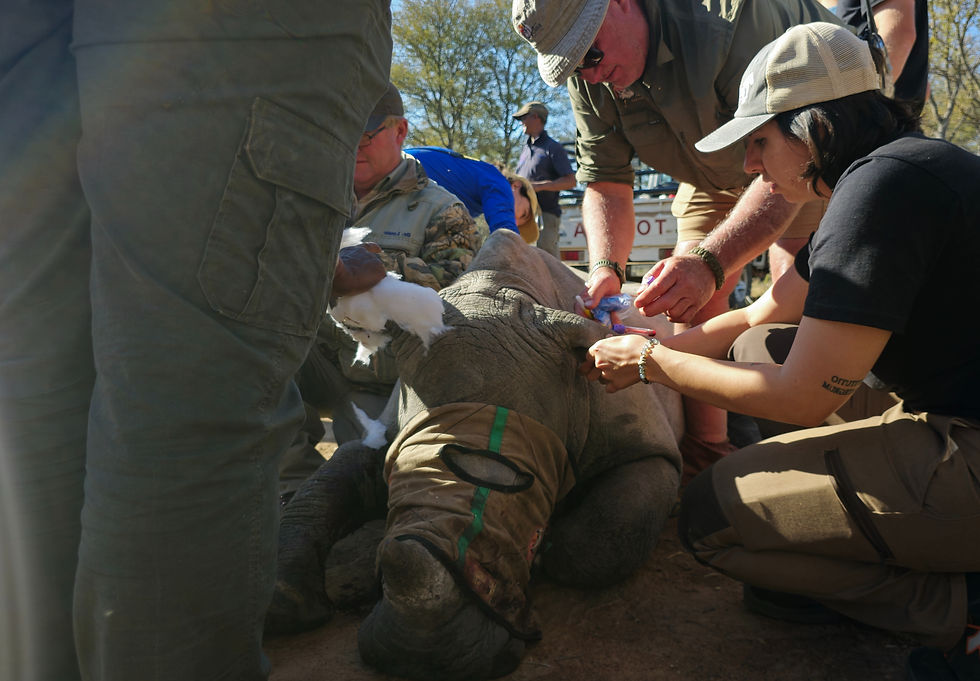
Hands-on Veterinary Experience: Work directly with megaherbivores, likely to include both elephants and rhinos, in the field, providing essential veterinary care.
Immobilisation Techniques: Learn about the specific drugs and methods used for immobilisation, sedation, and anxiety management in megaherbivores.
Wildlife Procedures: Participate in planning and executing wildlife procedures with an experienced veterinary team.
Additional Activities: Enjoy exciting activities, including safari drives, bush walks, sundowners, and quality time in the African wilderness.
Stunning Location: Live and learn in one of the most beautiful and ecologically diverse areas of South Africa, immersed in both nature and the veterinary experience.
Project video
Course Schedule:
PROJECT SCHEDULE:
Please note, this is a rough plan and it may alter on long or short notice, or day to day. We will always accommodate the welfare and needs of the animals first.
Day 1
1pm: Depart OR Tambo (Johannesburg) airport
3:30pm: Arrive to camp with time to settle in, rest and relax
5:30pm: Camp safety brief, welcome talk and sundowners before a welcome braai (BBQ) dinner
Day 2
6am - 9am: Morning safari drive
10am - 1pm: Lectures: Module One. Planning wildlife procedures (physiology, logistics, accidental drug exposure, helicopter safety, a vets role in 21st century conservation)
1pm - 2pm: Lunch
2pm - 5pm: Lectures: Module Two. Chemical immobilization of mega-herbivores. Black vs white rhinoceros and elephants. Procedural planning. We will discuss variations for age, environment, helicopter vs car vs captive animal, herd immobilisation
5pm - 8pm: Free time to rest, relax, enjoy the view from the bar and deck
8pm: Dinner
Day 3
9am - 10am: Lectures: Module Three: Darts and projectiles for megaherbivore medicine. Different types of darts and dart guns (gas vs charge, dart size, flight, barbs, tracking etc) and when to pick which
10am - 12pm: Practical: Dart Gun handling and target practice.
12pm - 2pm: Lunch
2pm - 5pm: Lectures: Module Four: immobilisation and injectable drugs for elephant and rhino (opioids, alpha 2 antagonists, reversals, pharmacology considerations). Practical session for delegates to practice planning their own procedures
6pm - 8pm: Nighttime safari drive
8pm: Dinner
Day 4
9am - 12pm: Practical: Module Five: carry out medical procedures for elephant/rhino
12pm - 2pm: Lunch
2pm - 6pm: Lectures: Module Six: elephant communication and herd dynamics for vets and Module Seven: snare wound management, gunshot management, and methods for facial reconstruction and treatment in the case of poaching-induced trauma
8pm: Dinner at camp and sitting around the bush fire under the stars
Day 5
8am - 9am: Breakfast
9am - 12pm: Practical: Module Five: carry out medical procedures for elephant/rhino
12pm - 2pm: Lunch
2pm - 6pm: As in the morning, if still required. Optional afternoon activities at own cost (horse- riding , birding, quad biking). Early evening drumming session in the bush
8pm: Dinner
Day 6
8am - 9am: Breakfast
9am - 12pm: Practical: Module Five: carry out medical procedures. This may be megaherbivore or animals such as zebra, antelope, giraffe, cheetah, or hyena, as needed at the time
12pm - 2pm: Lunch
2pm - 6pm - Optional afternoon activities at own cost
8pm: Special farewell dinner
Day 7
7am - 8am: Breakfast
8am - 11am: Transfer to OR Tambo airport (Johannesburg)
Flights home after 2pm
PLEASE NOTE: Vets not licensed in South Africa will not dart live animals, due to veterinary registration laws in South Africa.


PARTNER SCHEDULE
Friday Day 1: Arrival.
Saturday Day 2: Morning safari drive (with delegates). Afternoon optional activities at own cost (horse riding, birding, quad bikes).
Sunday Day 3: Morning safari drive. Afternoon optional activities at own cost (horse riding, birding, quad bikes). Night safari drive (with the delegates).
Monday Day 4: Morning bush walk (optional, included). Afternoon safari drive. Evening by the fire.
Tuesday Day 5: Optional activities at own cost (horse riding, birding, quad bikes - with delegates). Afternoon African drumming session (with delegates).
Wednesday Day 6: Safari drive. Afternoon optional activity at own cost (Hot air balloon - with delegates). Farewell dinner.
Thursday Day 7: Depart.
Please note that whilst partners are often separated from delegates during the day, you will be togther for lunch, dinner and evening socials. You will have a number of opportunities to do extra activities together, so you can share the fun with your friends/family.
Project Photos


ACCOMMODATION
Our lodge is centrally located within the reserve where we are working, so you may be lucky enough to see some of your 4 legged patients coming for a sunset drink at the waterhole infront of the bar at dusk. With its blend of comfort and authenticity, our lodge provides the perfect backdrop for your veterinary training.
Delegates stay in shared same-sex rooms, with two people per room. Partners/friends are welcome to join on a social basis and can share your room. An upgrade to single occupancy may be available upon request. Each room has a comfortable bed, crisp sheets, and an ensuite bathroom with nice hot showers. The camp’s communal area is adorned with African themed decor, offering the perfect setting to unwind, whether you are watching the sunset, sitting around a fire, or simply soaking in the atmosphere. A reliable power supply ensures your devices stay charged, and Wi-Fi is available in the lodge.
Your meals will be hearty and full of local flavour, beginning with a traditional South African braai (BBQ) on your first night. Lunches will either be prepared on-site or packed for field days. Dinners will be home-cooked meals made with fresh local ingredients. The water is safe to drink and we suggest delegates bring a bottle with them so they can fill up for our work out in the field. This comfortable, well-equipped lodge provides a welcoming and relaxing environment and living in the wild, reconnecting with nature, is a highlight for many of our delegates.
LOCATION
The Elephant and Rhino Medicine Course takes place on Mabula Safari Reserve in South Africa, wilderness area located approximately 3 hours’ drive north from OR Tambo International Airport (Johannesburg airport). The reserve is "big five" terrotory, which means you stand a great chance of seeing not just elephant and rhino at work, but also lion, leopard and buffalo as well as hundreds of other iconic species.
The Limpopo region is renowned for its breathtaking natural beauty and exceptional wildlife. Its sweeping landscapes, rugged mountain ranges, and flowing rivers bring a sence of serenity and freedom to all who visit andt his region’s unspoiled scenery and rich biodiversity make it one of the most visually striking and ecologically important parts of the country.
This course offers you a true immersion into the African veterinary field, with the added bonus of experiencing the beauty and excitement of life on a safari reserve. You will be surrounded by nature, basking in the warm African sun during the day and enjoying breathtaking starry skies at night.
COURSE COST
Delegates (all course teaching): £ 2,950 for 1 week
Partners (no teaching, but social and activity schedule as listed above): £2570
What's Included:
Great news, it is pretty much everything!
Pre-departure assistance with planning your trip from destination specialists
Transfers to and from Johannesburg airport
A veterinary manager on the ground available 24/7
All entry into national parks and reserves
Ground transportation related to the project
3 hearty meals per day
Safari drives during the project
Wifi
Shared accommodation (upgrade at additional cost)
What's Not Included:
Flights to/from Johannesburg, South Africa
Required: Personal medical insurance (optional trip/flight/luggage insurance)
Visa for South Africa (free to many nationalities)
Drinks not included
Extra Activities (Horseback Riding, Quad Biking, Hot Air Balloon etc.)
PROJECT SPECIFICS
AGE: 18 – 70 years old
QUALIFICATIONS: open to qualified vets, nurses and technicians
RACE Accredited for 40 hours of continuing education (CPD, CE)
FITNESS REQUIREMENTS
Due to the isolated nature of our locations, and the demanding nature of our work, a certain level of fitness is required to join this project. While we try to make our work as comfortable as possible, there are times when physical tasks are necessary to ensure safety and efficiency. Thus a moderate level of fit is important to the safety of the animal and our delegates.
As such, you should be able to:
Climb up and down from a high pickup truck
Comfortably run 50 metres
Walk 1 kilometres over rocky and uneven ground
Not suffer from severe or unmanaged depression or anxiety
If mental or physical challenges prove problematic to safety, attendees will be required to sit out of activities, and in severe circumstances, we reserve the right to terminate a stay based on incorrectly or undisclosed disabilities. If you have a history of physical injuries, disabilities, or mental health conditions and would like to discuss your fitness to attend, we encourage you to apply and highlight this in your application form. We’re more than happy to have a conversation with you, and always do our best to be inclusive and accommodating.
COURSE DATES
14th to 20th August 2026
21st to 27th August 2026
WHAT NEXT
If the idea of joining our team treating, rescuing and working with wildlife sparks your interest, just click the "apply now" button, fill in our form, and we will be in touch with you right away.
Project Fees
Volunteering is a rewarding experience that makes a real impact on animal welfare and provides a chance to learn and travel to beautiful places....
booking conditions
Worldwide Vets aims to provide you with an easy booking experience and the a trip of a lifetime. As such, we have terms and conditions we ask you to abide by when booking a project with us...
PAST feedback

Emily S, MRCVS, UK
This course gave me real, practical experience with elephants and rhinos — from clinical exams and darting to monitoring anaesthesia and treating poaching injuries. Working alongside Dr Johan and Dr Gemma was a huge privilege; their knowledge and passion were inspiring.
The camp was beautiful, the training was top-notch, and I came away with new skills, loads of confidence, and unforgettable memories. If you’re keen on wildlife medicine, don’t miss this.

Tom Banda
"getting so hands on was amazing, and combining this with the educational lectures and practicals, wow, what a get way to get involved with conservation whilst doing my Continuing Education"
SUGGESTED PROJECTS


