
RHINO DEHORNING MISSION
This year we are running a cutting edge mission to Namibia in Africa to save endangered rhinos. We need your help to make this happen. You can support our effort by donating to the cause or even by coming along yourself as an assistant to work with our team. Every penny gets us a little closer to protecting beautiful animals.
Are You Ready To Join Us?
Anyone can attend, you don't need any prior experience. Join our team on a weeklong experience as you stand shoulder to shoulder with wildlife vets fighting for the survival of endangered rhino. Our dehorning missions are immersive hands-on experiences for those wanting to support conservation and developing knowledge about these magnificent animals. This mission is a way to dive under the skin of Namibia, to experience it in a way no other visitor can; step off the plane an into our team, getting a unique insight into life on the wild side. If you are a veterinarian or vet nurse/technician, this week can contribute 30 hours towards your continuing education (CE) requirements.


TRIP HIGHLIGHTS
-
Hands-on rhino dehorning procedures. Join experienced wildlife vets to help provide safe, humane dehorning of rhinos, playing a critical role in the fight against poaching.
-
Practical training in rhino anaesthesia, dart guns, and equipment used to work with rhino
-
Learn about rhino medicine and care with lectures on biology, physiology, and common diseases by wildlife vet experts.
-
Support rhino conservation in action. Contribute to an effective anti-poaching strategy, working to protect critically endangered rhinos.
-
Discover Namibian culture from the inside, with evening campfire sessions, braais, discussion groups and cultural dancers.
-
Form lifelong bonds with like-minded professionals who share your passion for welfare and conservation, over 7 days of working in beautiful wild Africa.
-
Leave with a Certificate and lifelong skills. Upon completion, receive a certificate recognizing your contribution to rhino conservation, and any required evidential paperwork completed.

The majestic rhinoceros, one of the world’s most iconic animals, has been pushed to the brink of extinction due to poaching, habitat loss, and the illegal trade of its horns. These magnificent creatures, revered for their strength and resilience, have become targets for poachers who seek to profit from the black-market value of rhino horn. Conservation efforts have intensified globally, and one of the most effective methods of protecting rhinos from poaching is dehorning—removing the horn in a humane and controlled manner to deter poachers.
Dehorning is bringing them back from the brink. This is the backdrop of the Rhino Dehorning Mission, a hands-on educational program designed to bring passionate people in the veterinary industry together in a collaborative effort to protect rhinos.
Over the course of seven days, participants aim to dehorn at least 6 rhinos, whilst also carrying out practical training and immersive lectures about the science of rhino health, anatomy, physiology, and immobilisation. And when the sun sets, the evenings are filled with social and cultural activities, including bush walks, campfires, and traditional African dance performances so delegates can discover more about Namibian culture and history.
The mission schedule may alter and change depending on the weather and animals. For example, we may do more dehornings on a single day than planned if many rhinos are found in one area. We may even dart multiple rhinos at once! In such instances the lectures will be shifted around to put the animals' best interests at the forefront of our mission.
Please note: international delegates will not be firing medicated darts at live animals but will assist with all other work.
Day 1: Arrival and Introduction to the Rhino Reserve
The mission begins with participants arriving at Windhoek and taking the 5 hour minibus transfer to the reserve. The setting is stunning—a sprawling landscape of rolling plains, steep mountains, acacia trees, and the distant silhouettes of wildlife, where the sounds of nature fill the air. Participants are greeted by project leaders, experienced wildlife veterinarians Ulf Tubbesing and Gemma Campling, along with a team of guides and local conservationists and shown to their rustic but comfortable rooms for the week. Welcome to the vet camp!
After settling in, the group gathers for the official orientation. Here, the team will provide an overview of the program, camp safety and what can be expected in the week ahead, before we enjoy watching the bold African sunset and a welcome dinner under the stars, featuring traditional African cuisine called a Braai (BBQ) setting the tone for a deeper understanding of the cultural aspect of life in Africa.

Day 2: Rhino Care and Physiology
Today we enjoy a slow start with breakfast occurring at 8 am. Afterwards you can choose either to join a morning of veterinary lectures on rhino anatomy and physiology or take a safari drive around the reserve.
The afternoon you will be out in the bush again, enjoying a safari drive and trying to spot the wild rhino that roam the planes. We carry out a field discussion on the challenges of rhino management, and the horn trade during sundowners. In the evening enjoy sundowners in the bush and a delicious dinner.
Day 3: Deeper Into Rhino Management
8-9 breakfast. Afterwards you can choose either to join a morning of veterinary practical handling and firing dart guns at non live targets. (2 hours) or go for a bush walk with the tracker and guide to explore the wild in a slower and more intimate setting. Lunch is from 1 to 2 and the afternoon you can either join lectures on wildlife drug pharmacology and tranquillisers used for rhino, or take a safari drive. In the evening, we plan a bonfire for nighttime stargazing
Day 4: Rhino Capture and Dehorning Work
Early in the morning, the group sets out in safari vehicles, driving through the savanna to locate the rhinos that have been scheduled for dehorning. The morning brings high energy fast paced work as you get hands on with these special animals for the first time. With two more rhinos safe from poaching, we head back to camp ready for a relaxing lunch break. From 2 to 5 you can join our veterinary lectures focusing on infectious diseases including rabies and anthrax, colic and impaction. Alternatively take a well-earned rest by the pool to prepare for tomorrows hands on work.
Day 5: Rhino Capture and Dehorning Work
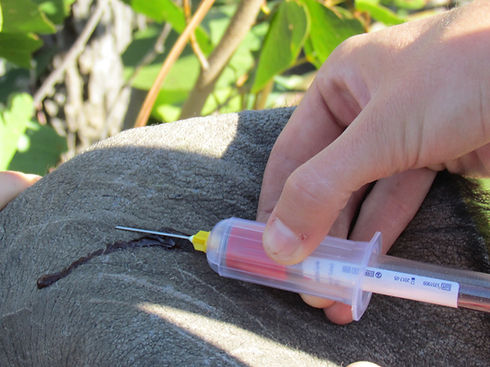
For the 2nd day we head out to dehorn rhino. You can expect more adrenaline packed work, getting up close and personal to these magnificent giants, getting familiar with monitoring, sampling, anatomy and physiology. It is very touching to be holding an oxygen tube to the soft wide nose of a rhino, feeling their breath on your hand, or looking deep into their human-like eyes, knowing you are keeping that animal safe for another year. As the sun sets over the savanna, participants gather around a roaring campfire. The atmosphere is relaxed, and there is a palpable sense of camaraderie as stories are shared and friendships are formed.


Day 6: Last Impressions
8-9 breakfast
9-1pm
1-2 pm Lunch
2-5 pm backup lecture time +/- sunset at the waterhole.
Evening: Sundowners and cultural dancers before a farewell dinner. As the milky way sparkles across the sky and there is a shared sense of pride and accomplishment as participants reflect on their journey. They have not only learned about rhinos but have also contributed directly to the protection of these incredible animals. The hosts offer one last farewell, and as the fire burns low, and the group prepares for departure the next morning.
Day 7: A Fond Farewell
It is an early start today, as we hand out a fresh packed breakfast at 5.30 am, load suitcases and head to the airport at 6.30 am. It is a 5-hour drive. Delegates arrive with their team at Windhoek airport at 11.30 am and flights are booked from 1.45pm and beyond.
ACCOMMODATION
Nestled in the heart of the wilderness, Kifaru Bush camp offers the perfect blend of rustic charm and modern comfort, ensuring you enjoy the serenity of nature and a comfortable stay whilst helping conserve the rhino. Camp has 12 rooms,with en-suite bathrooms. The rooms are shared between 2 people and are airy and inviting with two comfy single beds, ceiling fans, anti-mosquito spray, cupboards to hang clothes and a window facing out to the bush.
Every room comes with its own ensuite bathroom, complete with hot water and western-style toilets, so you can relax in comfort after a day of learning and working in the savanna. We offer an upgrade to a private en-suite bedroom for £400 for the week. Each of these rooms has a double bed and is subject to availability. Please inquire about the single supplement at the time of booking. Laundry is offered at 200 Rand per 4kg load. It will return to you clean, pressed and folded in 28 hours. Towels and all bedding are provided.


LOCATION
Namibia, located in southwestern Africa, is a land of striking contrasts and extraordinary beauty, making it a must-visit destination for any traveler seeking adventure and tranquility. Famous for its vast, untouched landscapes, Namibia offers a unique blend of desert, savannah, and wildlife that is unmatched anywhere in the world.Namibia is a paradise for wildlife lovers, with Africa’s Big Five—elephants, lions, leopards, rhinos, and buffalos—roaming freely across the savannah and home to the semi-nomadic Himba people, who maintain their traditional way of life amidst the harsh desert environment.
The reserve you will work in is nestled near the charming town of Outjo in northern Namibia, close to Etosha National Park, one of Africa’s premier wildlife areas, which beckons adventurers and nature enthusiasts alike. At more than 10,000 square kilometres, the reserve is renowned for its diverse wildlife, spectacular scenery, and iconic rhino population. The park is home to over 50 mammal species 200 bird species and participants on the mission can spot large herds of zebras, springbok, giraffes, and the rare black-faced impala roaming across the open plains. The reserve’s numerous waterholes serve as popular gathering points for animals, particularly during the dry season when the courses are held, offering incredible close-up encounters with wildlife.
Project Cost
£ 2,950 for 1 week.
By covering the cost of your stay and contributing to drugs and equipment used this week you are directly supporting rhino conservation.
What's included
Want to know what’s included in the project cost? Great news, it is pretty much everything! Including:
-
Pre departure assistance with planning your trip from one of our destination specialist.
-
Transfers to and from Windhoek airport
-
A veterinary manager on the ground 24/7
-
All entry into national parks and reserves
-
Ground transportation related to the project
-
3 hearty meals per day (starting from dinner on day 1, and including breakfast on day 7)
-
Safari drives during the project
-
Shared accommodation
What's excluded
-
Flights to/from Windhoek, Namibia
-
Personal medical insurance.
-
Optional upgrade to private room and double bed = £400 per course (subject to availability). 4 private rooms available.

Project Specifics
-
AGE: 20 – 70 years old
-
QUALIFICATIONS: none needed
Fitness Requirements
Due to the isolated nature of our locations, and the demanding nature of our work, a certain level of fitness is required to join this project. While we try to make our work as comfortable as possible, there are times when physical tasks are necessary to ensure safety and efficiency. We often need to run towards the darted rhinos through bushes, across streams and up hills, to give lifesaving reversal medication and physiological support, as the cars and helicopters are sometimes unable to get us close. Often may need to cover around half a kilometer on foot to get back to our vehicles. All delegates need to be able to move quickly out the way of these 2-ton animals as they wake up, should they decide to behave in an aggressive or unpredictable manner. Thus, a moderate level of fit is important to the safety of the animal and our delegates.
As such, you should be able to:
-
Climb up and down from a high pickup truck
-
Comfortably run 50 meters
-
Walk 2 kilometer over rocky and uneven ground
-
Not suffer from severe or unmanaged depression or anxiety
If mental or physical challenges prove problematic to safety, attendees will be required to sit out of activities, and in severe circumstances, we reserve the right to terminate a stay based on incorrectly or undisclosed disabilities. If you have a history of physical injuries, disabilities, or mental health conditions and would like to discuss your fitness to attend, we encourage you to apply and highlight this in your application form. We’re more than happy to have a conversation with you, and always do our best to be inclusive and accommodating.
START DATES
-
24th -30th August 2025 - 2 spaces remaining
-
1st to 7th September 2025 - 3 spaces remaining