
Safari Vet Internship
South Africa
This 12-day, RACE-accredited programme offers vets, nurses and students practical experience in African wildlife medicine. Through hands-on clinical work and expert-led lectures, you'll develop valuable skills while working alongside experienced wildlife veterinary professionals.
The course provides 40 hours of RACE-accredited training and welcomes up to 14 participants.
Project highlights
- Spend 12 days alongside experienced wildlife vets
- Live and work in the African bush
- Travel between reserves treating wildlife
- Contribute to endangered species conservation
- Learn through practical work and expert lectures
- Encounter species such as rhino, elephant, lion and leopard
- Stay in a range of accommodation, from lodges to bush camps
Programme overview
This course is designed for everyone from veterinary and nursing students exploring wildlife medicine to qualified professionals looking to develop their skills. You'll gain insight into the challenges of wildlife veterinary work while contributing to conservation efforts across South Africa.
Alongside clinical work, you'll take part in expert-led lectures and practical teaching sessions. Learning takes place both in the classroom and in the field, with a focus on relevant wildlife medicine and conservation topics. Group sizes are limited to support a more personal learning experience.


Key activities
Module 1: Wildlife veterinary medicine
Clinical procedures, medication, disease recognition and best practices.
Module 2: Conservation and wild animal behaviour
Wildlife health, biodiversity, habitat management and conservation.
Module 3: Human–wildlife conflict
Understanding the challenges of human–wildlife interactions and supporting long-term conservation.
Wildlife experience
You'll work with a variety of African wildlife species. While sightings and procedures cannot be guaranteed, previous participants have gained experience with:
- Lion: Health testing, disease screening and translocation.
- Primates: Sedation, health checks, blood sampling and surgery.
- Antelope: Helicopter-assisted captures and handling.
- Wildebeest and zebra: Capture and translocation.
- Giraffe: Blood sampling and post-mortem investigations.
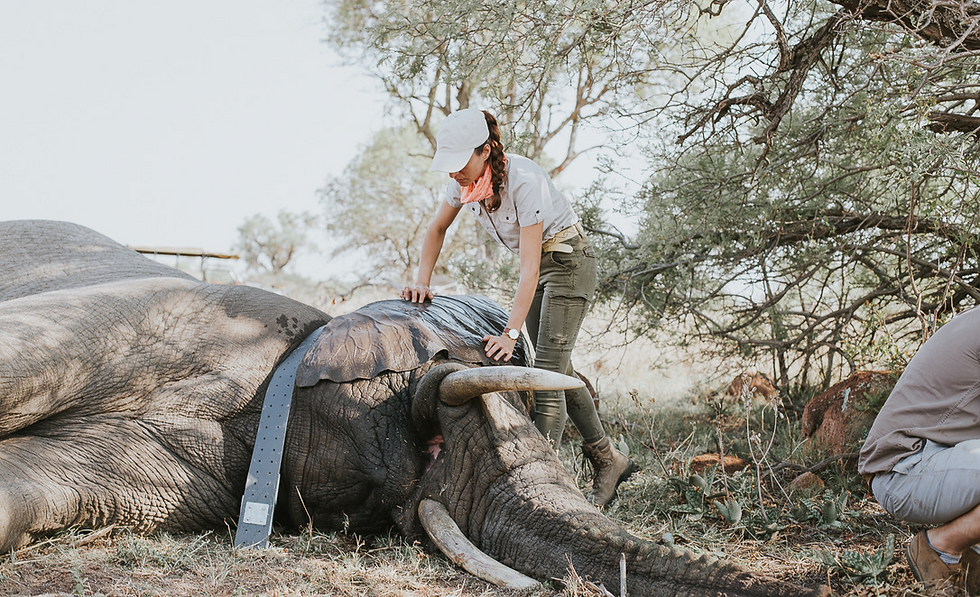
- Elephant: Tuberculosis testing, translocation and foot treatments.
- Buffalo: Tuberculosis testing and capture.


Accommodation
Accommodation varies depending on the reserves and locations visited, ranging from safari lodges to rustic bush camps.
All stays include bedding, drinking water and three meals a day, with most dietary requirements catered for. Laundry facilities and internet access are available at some locations, although mobile signal and Wi-Fi may be limited in remote areas.
Location
You'll arrive at Johannesburg Airport before travelling between game reserves across South Africa. The programme is mobile, giving you exposure to different wildlife species, veterinary procedures and conservation environments.
Midway through the course, you'll travel to George on the Western Cape coast to continue your clinical work. You'll visit three provinces: Gauteng, Limpopo and the Western Cape.
Project fee
2027: £3,637
Start dates
This project runs on set dates each year.
2027 dates
15–26 June 2027
18–29 July 2027
4–15 August 2027
18–29 August 2027 (Reserved)
Participants must arrange flights to and from Johannesburg International Airport. We'll meet you on arrival and provide transport to your first accommodation. Please book a flight arriving before 10 am.
The programme also includes domestic flights between Johannesburg and George. You may wish to extend your stay to explore Cape Town or continue travelling through Africa after the course.
What's included
- Pre-departure assistance with planning and flights
- Johannesburg airport transfers
- 24/7 on-site veterinary manager support
- National park and reserve entry fees
- Project-related ground transport
- Three meals a day
- Safari drives
- Shared accommodation
- Course cap and shirt
- Certificate of attendance
What's excluded
- International flights to and from South Africa
- Personal medical insurance
- Optional travel, flight and luggage insurance
- Domestic flights to and from George or Port Elizabeth, if required
- Visa costs
Fitness requirements
Due to the remote locations and physical nature of wildlife work, participants should have a reasonable level of fitness.
You should be able to:
- Climb in and out of a high pickup truck
- Run comfortably for 50 metres
- Walk 1 kilometre over uneven ground
If you have any physical or other support needs that may affect your participation, please mention these in your application. We're happy to discuss individual requirements and explore how we can accommodate you.
Project specifics
- Age: 18–45 years
- Qualifications: Open to veterinary, nursing and veterinary technician students. Qualified vets, nurses and technicians are also welcome.
- EMS, CEMS, CPD, CE (RACE accredited)
WHAT NEXT?
If the idea of joining our team treating, rescuing and working with wildlife sparks your interest, just click the "apply now" button, fill in our form, and we will be in touch with you right away.
Project Fees
Volunteering is a rewarding experience that makes a real impact on animal welfare and provides a chance to learn and travel to beautiful places....
booking conditions
Worldwide Vets aims to provide you with an easy booking experience and the a trip of a lifetime. As such, we have terms and conditions we ask you to abide by when booking a project with us...
PAST feedback
Emory Faison
July 2023
"I had the best time. It was truly a singular experience and affirmed for me my own desires to do vet work with Africa’s magnificent wildlife upon my graduation. It was also the first time I got to put my newly minted degree in Wildlife Conservation to use and see my dreams of conservation and vet work become one. I would recommend this experience to all vets and to anyone who wants to better our planet through conservation."
Amélie Rombouts
August 2023
"It was something that made me question what I want to do next in my career! This experience was extraordinary in different ways. Not only did I do more hand-on things I could’ve Imagined, also I learnt so much about conservation and so on!"
SUGGESTED PROJECTS


